The evolution of gambling through the ages a historical perspective
Origins of Gambling in Ancient Civilizations
The history of gambling can be traced back to ancient civilizations, where it was deeply intertwined with cultural and religious practices. Archaeological evidence suggests that early forms of gambling existed in Mesopotamia around 3000 BCE, where people used dice made from animal bones. These rudimentary games were not merely for entertainment; they often played a role in social rituals, with betting on outcomes related to agriculture or warfare. Today, you can even experience a virtual version of these games, such as using our chicken road demo, which offers a taste of traditional gaming with a modern twist.

In ancient Rome and Greece, gambling took on new forms, with citizens participating in various games of chance, including betting on gladiatorial contests and chariot races. This era saw the emergence of structured games, laying the groundwork for modern gambling as we know it today.
The Middle Ages and the Rise of Gambling Houses
The Middle Ages marked a pivotal period in the evolution of gambling, with the establishment of formal gambling houses. These establishments, often located in urban centers, provided a designated space for people to engage in games of chance. The popularity of card games surged during this time, with decks originating from Italy spreading throughout Europe.
Additionally, the Church’s stance on gambling was ambivalent, leading to underground gambling activities. Despite the opposition, the allure of chance continued to captivate people, further embedding gambling into societal norms. This period also saw the birth of lotteries, which were initially created to fund public projects, and players often relied on tips and tricks to improve their odds.
The Age of Enlightenment and Regulatory Developments
As societies evolved during the Age of Enlightenment, so did the perception of gambling. The introduction of more formal regulations began in the 17th century, as governments recognized the potential for economic gain. The establishment of licensed gambling houses provided a measure of control, ensuring fair play and government revenue.
Furthermore, this era witnessed the birth of modern betting practices, with the establishment of horse racing as a popular gambling activity. This trend culminated in the formation of betting rings, where odds were calculated based on the probability of outcomes, laying the foundation for contemporary betting systems.
The 20th Century: The Casino Boom and Technological Innovations
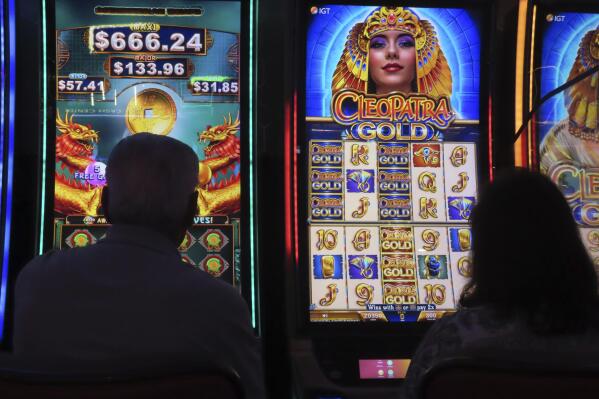
The 20th century ushered in a new era for gambling with the rise of casinos, particularly in the United States. Las Vegas became synonymous with gambling, attracting millions of tourists eager to experience the glamour and thrill of the casino environment. This period also saw the introduction of slot machines, which quickly became a staple in gambling establishments.
Technological advancements further transformed the gambling landscape, introducing online gaming and mobile betting. The internet revolutionized how people engage with gambling, making it more accessible and diverse. This shift has led to the emergence of countless online casinos, offering players the chance to enjoy a vast array of games from the comfort of their homes.
Exploring Online Gambling Today
In the present day, online gambling has become a dominant force in the industry, with innovative platforms providing seamless gaming experiences. Players can access a variety of games, including slots, poker, and live dealer experiences, all with just a few clicks. The global reach of the internet means that gambling is no longer confined to physical locations; it is a widespread phenomenon.
Websites dedicated to online gaming continue to evolve, offering enticing bonuses and promotions, which further attract players. As technology advances, the future of gambling promises even more exciting developments, making it a vibrant field worth exploring for enthusiasts around the world.